
What Is Fibermaxxing?
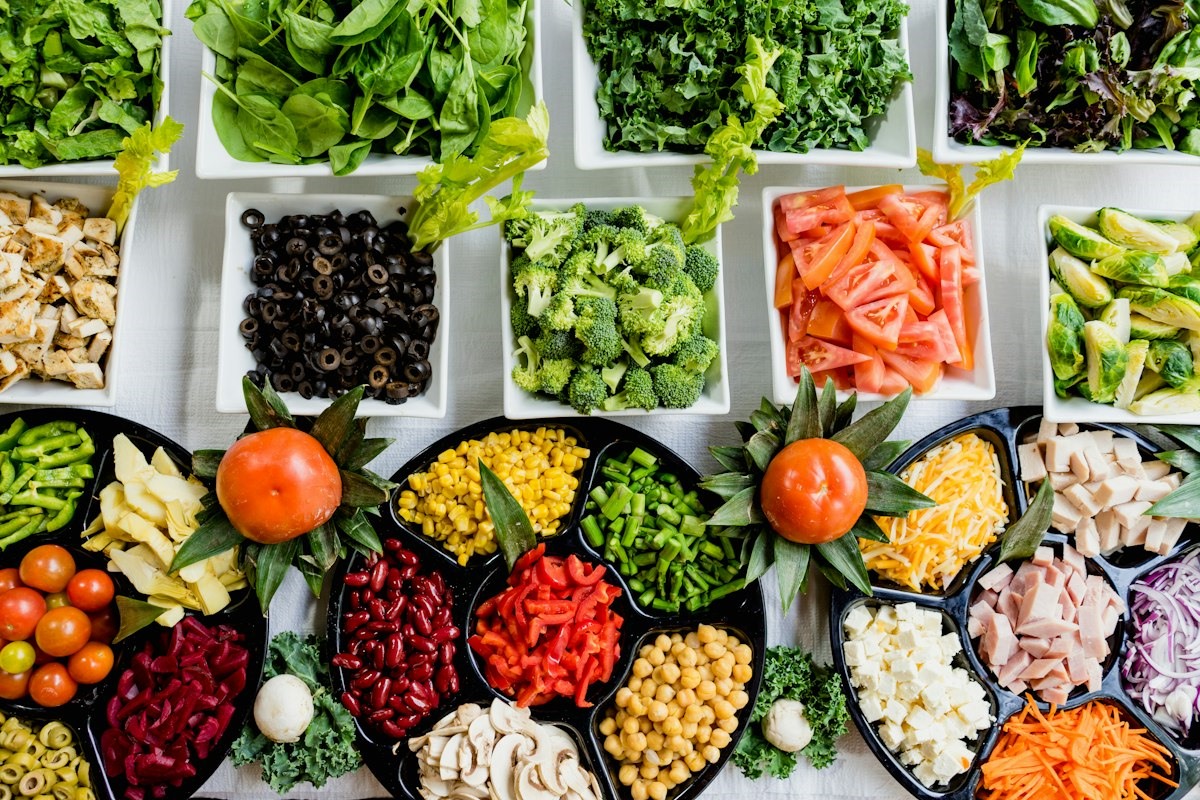
To understand fibermaxxing, look no further than the internet's latest pivot toward gut health and sustainable nutrition. Unlike restrictive fad diets that demand cutting out entire food groups, fibermaxxing focuses on addition—intentionally loading your plate with fiber-dense plant foods like chia seeds, beans, lentils, oats, berries, and vegetables to hit or exceed daily fiber benchmarks.
According to the Dietary Guidelines for Americans published by the USDA and NIH, more than 90 percent of women and 97 percent of men do not meet the recommended daily intake of dietary fiber (the standard FDA Daily Value used on Nutrition Facts labels is 28 grams for a 2,000-calorie diet, while general guidelines recommend roughly 14 grams per 1,000 calories—approximately 25 grams for adult women and 38 grams for adult men depending on age and activity). While the trend has brought welcome attention to a widespread nutritional gap, doing it safely requires focusing on real whole foods and pacing your intake to keep digestion comfortable.
What Is Fibermaxxing and Where Did It Start?
The term 'fibermaxxing' combines 'fiber' with the internet subculture suffix '-maxxing,' meaning to maximize a specific trait or habit. Following previous waves like protein-maxxing, creators across social platforms began sharing daily food logs, seed puddings, and legume-heavy bowls aimed at supporting digestion, balancing energy levels, and fostering long-term satiety.
At its heart, the core idea is simple: prioritizing whole plant foods that naturally provide both soluble and insoluble dietary fiber.
Why Has Fiber Taken Center Stage?
For decades, popular diet culture fixated almost exclusively on counting macros and pushing protein powder scoops. Fibermaxxing has resonated because it redirects focus toward real, wholesome food quality. Whole dietary fiber feeds beneficial bacteria in the lower digestive tract, promotes steady blood glucose responses, and helps keep you naturally full between meals without rigid calorie restriction.
- Encourages adding nutrient-dense plants rather than eliminating foods.
- Supports regular digestive motility and natural gut microbiome diversity.
- Promotes sustained satiety through complex carbohydrates and dietary fiber.
Whole Foods vs. Fiber Supplements: Why Food First Wins
When people first attempt to increase fiber, many turn to psyllium husk powders, fiber gummies, or fortified snack bars. While isolated fiber supplements have clinical uses, dietitians consistently emphasize that whole-food sources provide far superior culinary and nutritional benefits.
Whole plant foods deliver an intricate matrix of water, vitamins, minerals, antioxidants, and a balanced blend of both soluble and insoluble fiber that synthetic additives cannot replicate. Furthermore, relying heavily on processed fiber supplements without sufficient fluids often triggers sudden bloating or cramping.
| Whole Food Source | Typical Serving | Estimated Fiber Content |
|---|---|---|
| Whole Chia Seeds | 2 tablespoons (24g) | ~8–10 grams |
| Cooked Lentils | 1/2 cup (100g) | ~7–8 grams |
| Canned Chickpeas (rinsed) | 1/2 cup (120g) | ~6–7 grams |
| Fresh Raspberries or Blackberries | 1 cup (125g) | ~8 grams |
| Ripe Hass Avocado | 1/2 medium fruit (100g) | ~6–7 grams |
| Old-Fashioned Rolled Oats | 1/2 cup dry (45g) | ~4 grams |
Practical Ways to Add Fiber to Breakfast
Breakfast is often where the fiber gap begins, as conventional morning foods like white toast, plain eggs, and sugary cereals provide negligible fiber. Transforming your morning routine into a fiber-forward meal takes only minutes:
- Make high-fiber overnight oats: Combine rolled oats with chia seeds and raspberries for a make-ahead 10g fiber breakfast.
- Upgrade your morning toast: Top whole-grain or sourdough toast with mashed avocado, a handful of rinsed chickpeas, and chili flakes.
- Add seeds to yogurt: Stir 1 tablespoon of ground flaxseed or chia seeds into plain Greek yogurt alongside fresh berries.
- Blend a whole-food smoothie: Add half an avocado, chia seeds, or rolled oats to your morning smoothie instead of commercial powders.
High-Fiber Lunch and Dinner Strategies
The easiest way to sustain fiber intake throughout the day is incorporating legumes and hearty vegetables into midday and evening meals.
Swap refined grains for cooked farro, brown rice, or quinoa. Keep canned black beans, cannellini beans, and chickpeas in your pantry to toss into lunchtime salads or dinner skillets. When preparing potatoes or apples, leave the skins on whenever possible, as a substantial portion of dietary fiber resides directly in and just beneath the skin.
How to Increase Fiber Gradually (Avoid the Bloat)
The most common mistake when jumping on the fibermaxxing trend is doubling or tripling fiber intake overnight. The digestive system and gut microbiome require time to adapt to increased plant material.
Follow the 'step-up rule': increase your daily intake by roughly 3 to 5 grams every three to four days. If you currently consume 15 grams per day, aim for 20 grams for a few days before progressing to 25 grams. This gradual progression allows intestinal bacteria to ferment fiber comfortably without excessive gas or bloating.
The Golden Rule of Fiber: Hydrate Aggressively
Special Considerations for Digestive Conditions
People with digestive conditions or medically prescribed diets may need individualized guidance from a qualified healthcare professional before substantially changing fiber intake.
A Realistic 35g Whole-Food Fiber Day
Here is an example of what a balanced, delicious 35g fiber day looks like using real kitchen ingredients:
- Breakfast: High-Fiber Overnight Oats with Chia Seeds & Raspberries (~10g fiber).
- Lunch: Mediterranean Chickpea and Cucumber Salad with Olive Oil & Lemon (~8g fiber).
- Afternoon Snack: Sliced Apple with 2 tbsp Natural Peanut Butter (~5g fiber).
- Dinner: Roasted Sweet Potato & Black Bean Bowl with Avocado & Quinoa (~12g fiber).
- Total Day Yield: ~35 grams of natural, whole-food dietary fiber.
Frequently Asked Questions
Common questions surrounding the fibermaxxing trend answered simply:
- Q: Is more fiber always better? A: No. Extremely high intake (over 60–70g daily) without medical oversight or sufficient fluids can lead to bloating, gas, and reduced mineral absorption.
- Q: What is the recommended daily fiber intake? A: The standard FDA Daily Value used on Nutrition Facts labels is 28g per day (based on a 2,000-calorie reference diet). General dietary guidelines recommend roughly 14 grams per 1,000 calories consumed—typically around 25g daily for adult women and 38g daily for adult men, though individual targets vary based on age, sex, and total energy intake.
- Q: Does cooking reduce the fiber in vegetables? A: Cooking softens plant cell walls, making vegetables easier to chew and digest, but it does not destroy dietary fiber content.
- Q: Can fiber help with satiety? A: Yes. Soluble fiber forms a gel-like substance in the digestive tract that slows stomach emptying, promoting prolonged fullness after meals.
Recipes to Pair with Your Weekly Prep
Put your prepped vegetables to work across these tested savory dishes and curated recipe collections: