
How to Plan Meals for the Week
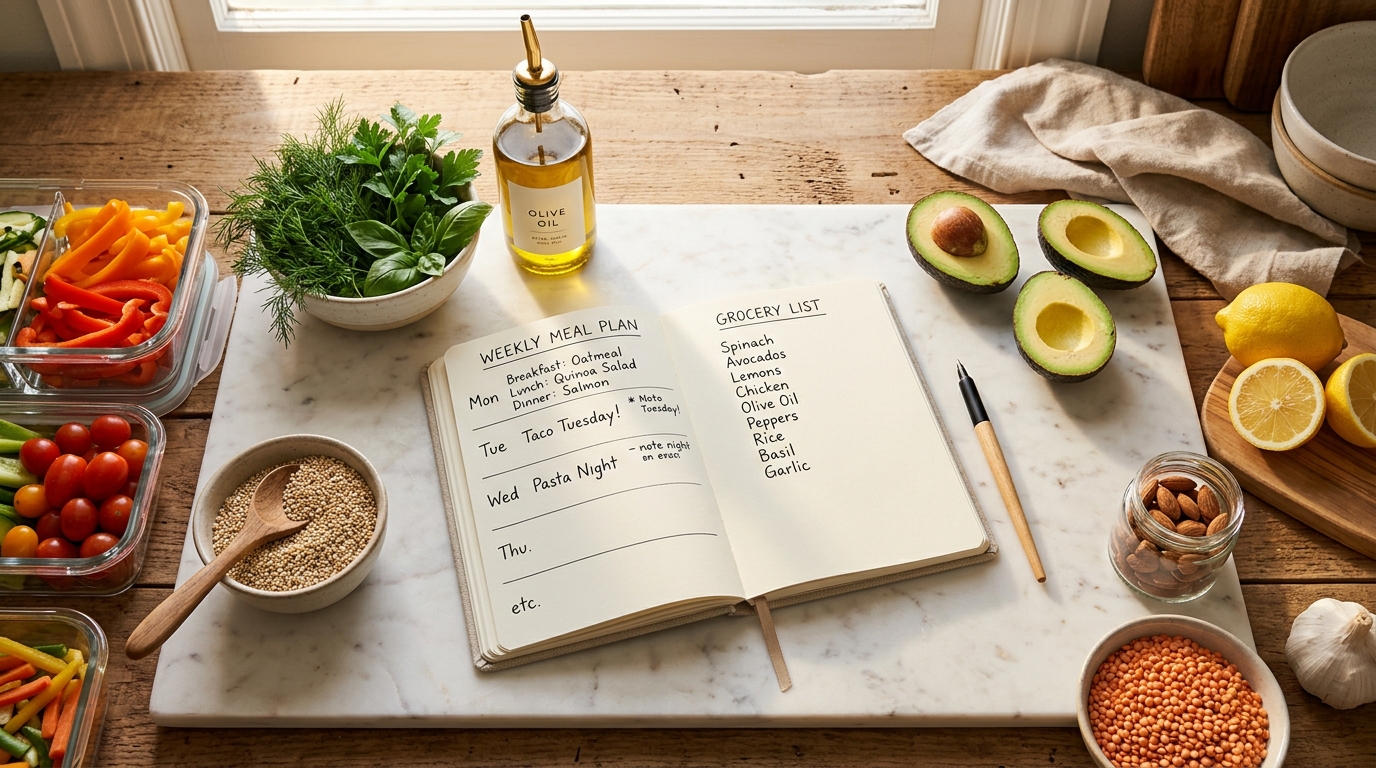
To plan meals for the week successfully, you only need 20 minutes, a clear look at your upcoming calendar, and an honest check of what is already sitting in your pantry and refrigerator. Rather than trying to cook seven elaborate dinners from scratch, an effective weekly meal plan builds around your busiest days, repeats versatile ingredients across multiple dishes, and intentionally schedules leftovers so you cook less while eating better.
Whether you are cooking for one, feeding a busy family, or trying to eliminate 6:00 PM dinner panic, this step-by-step guide walks you through a sustainable, practical method that works in real life.
What Is Weekly Meal Planning?
At its core, weekly meal planning is the simple habit of deciding what you will eat for key meals over the next five to seven days before you go grocery shopping. It is an organizational roadmap, not a restrictive diet. A great meal plan accounts for late work meetings, quick morning routines, and spontaneous dinner invitations, giving you structure without taking away flexibility.
1. Check Your Schedule First
The number one reason meal plans fail is unrealistic scheduling. Before browsing recipes or writing a shopping list, open your calendar and look at the week ahead.
Identify which nights you have extra time to cook and which days require a 15-minute meal or pre-assembled leftovers. If Wednesday is packed with evening errands or sports practices, do not schedule a multi-step braise. Assign quick skillet meals, assembled salads, or reheated dishes to high-stress evenings and save rewarding cooking sessions for calmer days.
- Mark late-work days or evening commitments as '15-Minute Meal' or 'Leftover Night'.
- Identify days when you genuinely enjoy cooking and plan new or hands-on recipes then.
- Check whether you will be dining out or traveling to avoid overbuying fresh ingredients.
2. Check Your Fridge, Freezer, and Pantry
Always 'shop your kitchen' before spending money at the supermarket. Take five minutes to inspect your crisper drawers, freezer shelves, and dry goods cupboard.
Note perishables that need immediate attention—such as an open bag of baby spinach, half a carton of Greek yogurt, or bell peppers nearing their peak. Building your weekly meals around items you already own cuts your grocery bill and stops food from ending up in the trash bin.
- Fridge audit: Greens, dairy, opened sauces, and pre-cut vegetables.
- Freezer audit: Frozen proteins, peas, berries, and batch-cooked grains.
- Pantry audit: Canned beans, lentils, pasta, grains, and olive oil.
3. Decide Which Meals You Actually Need to Plan
You do not need to plan 21 separate meals (breakfast, lunch, and dinner for seven days). Trying to schedule every single bite creates overwhelm and burnout.
For most home cooks, planning 4 to 5 core dinners, 2 to 3 repeatable weekday breakfasts, and relying on planned dinner leftovers for lunch is the sweet spot. Keeping breakfast and lunch simple frees up mental energy so dinner remains manageable.
4. Pick a Few Core Meals
Select four to five dinner ideas that balance ease, variety, and flavor. A reliable weekly template includes:
- One reliable family favorite (e.g., a comforting pasta, stir-fry, or sheet pan chicken).
- One ultra-fast 15-minute meal for your busiest night.
- One plant-forward or grain bowl dinner to maximize fiber and seasonal produce.
- One large-batch recipe designed to yield double portions for tomorrow's lunch.
- One new or exciting recipe to keep your culinary routine inspiring.
5. Use Ingredient Overlap to Simplify Shopping
Ingredient overlap is the secret weapon of professional meal planners. Instead of choosing recipes that each require completely unique ingredients, pick dishes that share foundational produce, aromatics, or proteins.
For example, if you buy a bundle of fresh baby spinach and crisp Persian cucumbers, you can use the spinach for a warm morning egg bowl and evening pasta, while the cucumbers go toward a crisp midday salad and lunch wraps. This ensures you purchase fewer items in larger, more economical quantities and use everything up completely.
6. Plan Leftovers Intentionally
Leftovers should be an intentional part of your plan, not an afterthought. When cooking dishes like grain bowls, roasted vegetable trays, or protein skewers, simply double the ingredients.
Package the extra portions immediately into airtight glass storage containers while cleaning up after dinner. This instantly handles next day's lunch without extra cooking time. For safety, keep cooked leftovers refrigerated at 40°F (4°C) or below and enjoy within 3 to 4 days.
7. Plan Easy Breakfasts and Lunches
Mornings and mid-day work hours should run on auto-pilot. Pick two simple breakfast options to rotate throughout the week and rely on high-protein, assemble-ahead combinations.
For mornings, high-protein options like a savory vegetable scramble, warm spiced eggs, or chilled yogurt bowls provide long-lasting morning fuel. For midday meals, crisp wraps or light protein salads made with pantry tuna and fresh greens can be prepped in under ten minutes.
8. Turn the Plan Into an Organized Grocery List
Translate your chosen meals into a structured grocery list organized by supermarket department. Grouping items by section prevents backtracking through the aisles and minimizes impulsive purchases.
- Produce: Leafy greens, herbs, citrus, root vegetables, and fresh fruit.
- Proteins: Fish, poultry, tofu, eggs, and lean meats.
- Dairy & Refrigerated: Greek yogurt, milk, cheeses, and butter.
- Pantry & Grains: Quinoa, brown rice, whole-grain bread, canned tuna, and olive oil.
- Spices & Condiments: Dijon mustard, cumin, turmeric, sea salt, and black pepper.
9. Prep Only What Actually Saves Time
You do not have to spend entire Sunday afternoons in the kitchen. Focus prep work exclusively on tasks that remove weekday friction. For an in-depth guide on washing, cutting, and keeping chopped produce crisp without spoilage, explore our complete step-by-step guide on how to prep vegetables for the week.
- Wash and thoroughly dry sturdy greens so they are salad-ready in seconds.
- Dice sturdy vegetables (like bell peppers, celery, and onions) and store them in sealed glass containers.
- Whisk a multi-purpose lemon-herb vinaigrette or yogurt dressing that lasts the entire week.
- Cook a base pot of quinoa, brown rice, or soft-boiled eggs for instant bowl assemblies.
10. Keep One Flexible 'Pantry Night'
Life happens. A late meeting, last-minute social dinner, or sudden exhaustion can derail a rigid schedule. Protect your plan by deliberately leaving one evening unassigned as a 'flex night'.
Use this night to finish lingering leftovers, assemble a quick pantry pasta, or enjoy takeout without feeling guilty about wasted groceries.
7-Day Example Meal Plan
Here is an example of a balanced, realistic weekly meal schedule that utilizes ingredient overlap and intentional leftovers without complicated prep:
| Day | Breakfast | Lunch | Dinner | Prep / Leftover Note |
|---|---|---|---|---|
| Monday | Tofu Scramble with Vegetables | Mediterranean Quinoa Salad Bowl | Pan-Seared Salmon & Garlic Sautéed Spinach | Cook double spinach and quinoa for tomorrow's lunch |
| Tuesday | Greek Yogurt with Chia & Pumpkin Seeds | Salmon & Spinach Leftover Power Bowl | Low-Oil Moong Dal Chilla with Mint Chutney | Soak lentils in the morning; dice extra onions and peppers |
| Wednesday | Seasoned Boiled Egg Whites & Whole-Grain Toast | Tuna Cucumber Salad (No Mayo) | Roasted Chicken Breast & Seasonal Root Veggies | Bake extra chicken breast for Thursday's wraps |
| Thursday | Tofu Scramble with Vegetables (Batch 2) | Healthy Tuna Salad Lettuce Wraps | Vegetable Besan Chilla with Fresh Herb Salad | Whisk besan batter in 5 minutes; use pre-diced peppers |
| Friday | Smoked Salmon & Spinach Breakfast Bowl | Leftover Roasted Chicken & Greens Bowl | Homemade Flatbread Pizza & Garden Salad | Use up remaining fresh greens and vegetable ends |
| Saturday | Paneer Bhurji with Warm Toast | Crisp Cucumber & Tomato Chickpea Salad | Dinner Out / Social Gathering | Enjoy flexible weekend dining without food waste |
| Sunday | Poached Eggs on Sourdough with Avocado | Kitchen Pantry Audit & Leftover Smorgasbord | Hearty Vegetable Lentil Soup | Check fridge inventory and plan next week's menu |
Reusable Weekly Meal Planning Template
Copy or print this simple framework each week to organize your kitchen in under 20 minutes:
Weekly Planning Worksheet
Recipes to Pair with Your Weekly Prep
Put your prepped vegetables to work across these tested savory dishes and curated recipe collections: